
It’s that time of year again when millions of Americans look to purchase health insurance either for the first time or to acquire a new health coverage plan. Unfortunately, most people are left to debate the ultimate question when it comes to selecting the right plan. HMO vs PPO vs HSA, which one is best for me?
The 2022 Open Enrollment Period (OEP) began on November 1, 2021, and ends January 15, 2022, in most states but runs through ..
This is the one time of the year when eligible people cannot be turned away from coverage.
This is also the time of year when many people have questions regarding health care coverage, plan types, health insurance options, and which ones to choose. All of which is made a bit more complex and confusing with the avalanche of acronyms and initials used throughout the industry.
However, there are just a few that you should be well-informed on.
A Closer Look at HMOs vs PPOs vs HSAs
These are common acronyms that most people will encounter when shopping for health insurance options. It’s important to understand the distinctions between them to choose the best health insurance option for you or you and your family.
And many of these features apply to both health and dental insurance plan types.
What is HMO insurance?
HMO stands for health maintenance organization. HMO plans typically provide members with lower out-of-pocket expenses, including the monthly premiums, but usually do not allow members to choose a primary care physician (PCP) or sometimes even a hospital. HMO plans also require a referral from a member’s doctor for visits to specialists.
An HMO is a kind of health insurance that has a list of providers, such as doctors, medical groups, hospitals, and labs, which is called a network. All of your health care must come from the providers on this list. An HMO has a service area, and you must live or work in one of the zip codes in the service area to join the HMO.
Members are usually assigned a primary doctor, or PCP, who is part of a medical group that has a contract with the HMO. Your main doctor is your primary care doctor and manages your care. If you need to see specialists, get tests, or be in the hospital, your doctor will request authorization, and the medical group must approve the service.
There is typically a fee for each service called a co-pay. In addition, there is often a yearly deductible. This is the amount you must pay each year before your HMO pays for any services.

What is PPO insurance?
PPO, or preferred provider organizations, differ in one way from HMOs in that they do not typically require members to choose a PCP. This means you can choose to see any doctor or specialist within their network. PPO plan members are, however, encouraged to use doctors and hospitals within their preferred network.
This is a benefit to you as a member. While you can choose to go outside of the network for some care, you will usually pay a higher cost. Like an HMO, you will pay a yearly deductible before the PPO starts to pay some or all of your bills. You usually pay a percentage of a bill when you get a covered service, sometimes known as your co-insurance, and the PPO pays the rest.
If you see a doctor or other provider outside your health plan’s network, your PPO will share the service cost. However, your share of the cost will usually depend on the plan’s Maximum Allowable Amount for the service. This is the maximum amount your plan will pay for a service and is usually about the same as what the plan pays providers in their network.
What is HSA?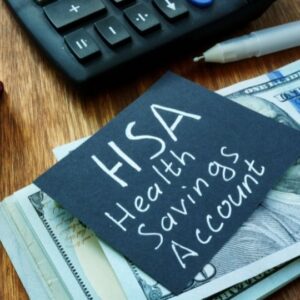
An HSA, or Health Savings Account, is simply a type of savings account that lets you set aside money on a pre-tax basis to pay for qualified medical expenses. It is not a health coverage insurance plan.
The untaxed dollars in an HSA can be used to pay for deductibles, co-payments, co-insurance, and other expenses, enabling you to lower your overall health care costs. HSA funds generally may not be used to pay premiums, however.
While you can use the funds in your HSA at any time to pay for qualified medical expenses, you can only contribute to an HSA if you have a High Deductible Health Plan (HDHP). This is a health insurance plan that typically only covers preventive services before the deductible.
For some people, an HDHP can be a lower-cost health insurance option that allows members to pay less for their insurance. An HDHP is often offered as an option with HMO or PPO plans.
An HSA combined with an HDHP is not as common as other health insurance options and comes with some downsides.
According to the Mayo Clinic, for example,
“Illness can be unpredictable, making it hard to accurately budget for health care expenses. Information about the cost and quality of medical care can be difficult to find. Some people find it challenging to set aside money to put into their HSAs.”
As you can see, it isn’t simply a matter of “HMO vs. PPO” when it comes to determining your best health insurance or health insurance options, which is why it can be a good idea to seek advice.
Choosing Health Insurance Doesn’t Have To Be A DIY Task
Shopping for and purchasing your California health insurance plan on your own is not always a straightforward process.
Fortunately, you can rely on an experienced and licensed California health insurance agent to help you sort through the variety of different health insurance plans available to find one that fits your needs and budget.
J.C. Lewis Insurance Services, for example, has access to numerous HMO and PPO health insurance plan options and types, and this can be a huge benefit to you. Working with a local health insurance company like J.C. Lewis means getting answers to your questions, such as which policies will best fit your needs or that your employees will benefit most from.
In addition, we will work with you to save you the most money and still get the best coverage options for you, your family, or your employees.
Making Sense of HMO vs PPO vs HSA in 2025
If you’ve ever stared at a list of health plans and wondered if you’re secretly supposed to have a medical degree to understand them, you’re not alone. Today’s health insurance landscape—especially during Open Enrollment—feels like alphabet soup: HMO, PPO, HDHP, HSA… and the list keeps growing. But in 2025, the gap between these plan types is more meaningful than ever because out-of-pocket trends, telehealth coverage, and new federal rules have reshaped how people compare their options. Think of each plan as a different “roadmap” to care: one gives you a guided route, one lets you freestyle, and one hands you a tax-advantaged toolbox to pay your way.
The Real-World Trade-Offs You Don’t Hear About
Here’s the thing—choosing between an HMO, PPO, and HSA isn’t just about premiums and copays. It’s about how you want to experience health care day-to-day. For example, many 2025 HMO plans now bundle perks like $0 virtual urgent care and mental health visits, which can be a lifesaver if you want predictable costs and rarely wander outside your doctor’s network. On the flip side, PPO networks have quietly expanded in several regions, giving members more out-of-state flexibility—ideal for frequent travelers, remote workers, or parents with kids in college across California. And HSAs? They’ve become a sleeper favorite for people who prefer high-deductible health plans paired with long-term savings potential, especially since unused funds roll over year after year, growing like a quiet little health-care nest egg. It’s like choosing between an all-inclusive resort (HMO), a flexible road trip itinerary (PPO), and a build-your-own adventure fund (HSA).

Your Local Experts for California Health Insurance
JC Lewis Insurance is a long-time, family-owned firm of expert brokers and is based in Sonoma County. We offer California health insurance plans only from leading health insurance carriers that are licensed to do business in California.
And we are licensed and certified by each of these insurance carriers to offer coverage to individuals, families, and small group employers, along with Medicare supplemental and prescription drug plans for seniors.
If you are self-employed or your employer doesn’t provide health benefits, then an individual or family plan can be the best option for you or you and your family, whether it is deciding between an HMO vs PPO or even an HSA, we’ve got your back.
When you’re shopping for medical insurance for you and your family, you are likely to have several questions and concerns. That’s great because we welcome your questions about health coverage insurance, and you can be confident that JC Lewis Insurance Services will help you find the right solution.
